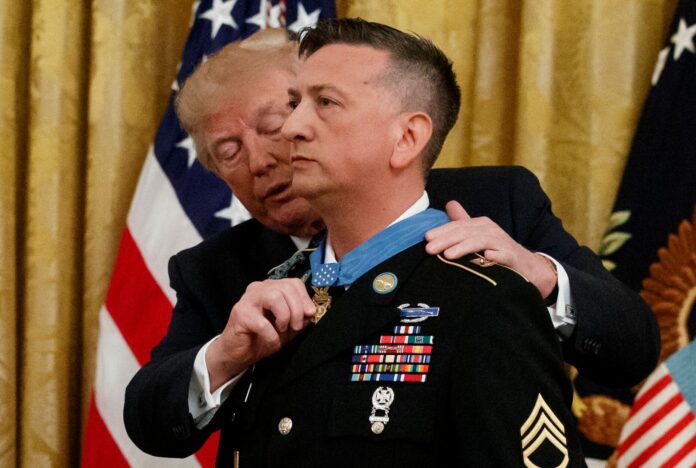
Former U.S.Army Staff Sgt. David Bellavia, a Medal of Honor recipient, said Memorial Day is a time for him to take stock and reflect on whether he is living his life in a way that honors those who were lost.
“What kind of a man am I?” he continued. “Because we believe that these men that we lost [at] such a young age and prematurely, what would they have been if they were 45?”
Bellavia was joined in this special edition of “Modern Warriors” by fellow veterans Marine Corps Staff Sgt. Johnny “Joey” Jones, Staff Sgt. Nate Boyer, and Lt. Col. Dan Rooney, who continues to serve in the 301st fighter squadron.
Each man told the stories of fellow service members who sacrificed their lives for the country.
Bellavia remembered Command Sgt. Maj. Steve Faulkenburg, who was killed during the second battle of Fallujah while leading his troops and a group of wounded Iraqis through an ambush.
“If he decided to take a job as an elementary principal, he would be a horrible failure,” joked Bellavia, who fought alongside Faulkenburg in Fallujah. “But luckily, he chose to be a sergeant major in the infantry.”
“His greatest legacy is the fact that he raised sons like they were his own,” he continued, “He was our surrogate father.”
Bellavia recalled that Faulkenburg was 45-years-old when he was killed — an age that a younger Bellavia considered being beyond comprehension
“At that time, I thought that was the oldest thing in the world,” he joked again, “His hips breaking down. His knees didn’t work. He had a permanent scowl on his face.”
“That’s how old I am right now,” Bellavia said — turning somber. “And to think of all these men that we lost, they’re never going to go through these spaces of life that we go through and just take for granted.
“The one thing that the families of the fallen should know is that, in my circumstances, when we lost Falkenberg, we fought with a reserve that we never knew was humanly possible.”
“Had it not been for that direct sacrifice — I don’t know if we make it through. I don’t know if we’re as tenacious as we were because come hell or high water, we were going to avenge that man and we were going to make him proud,” Bellavia concluded. “He’s the reason why we were there and we were going to fight like demons until we defeated that enemy.”
On June 25, 2019, President Trump presented the Medal of Honor to Bellavia for his actions as a squad leader during the second Battle of Fallujah, making Bellavia the first living Iraq War veteran to receive the recognition.
In a previous episode of Fox Nation’s “Modern Warriors”, Hegseth sat down with Bellavia to talk about the experience.
“As far as knocking down doors and shooting guys, it was always — you kick down the door and there’s a guy with an AK. He just ran into a house and you ran into him and its the O.K. coral,” remembered Bellavia.
In the Medal of Honor ceremony, President Trump recounted Bellavia’s heroism.
“He quickly encountered an insurgent who was about to fire a rocket-propelled grenade at his squad. David once again jumped into danger and killed him before he had a chance to launch that grenade,” said the president.
“Next, two more insurgents came out of hiding and fired at David. He returned fire, killing them both. Then, a third assailant burst out of a wardrobe… and opened fire. David shot and wounded the man, but he escaped up the stairs. Racing after him, David engaged in hand-to-hand combat and killed him, too,” read the president.
The virtual fundraising event, which is scheduled to be held June 15 and was first reported by The New York Times, was confirmed by Fox News.
The senator held high-dollar fundraisers during her 2018 Senate reelection campaign. However, along with fellow populist and 2020 rival Sen. Bernie Sanders of Vermont, she eschewed them early in 2019 soon after launching her campaign for the Democratic presidential nomination.
After Biden brought in $6.3 million on the day he announced his candidacy in April of last year — with part of the haul coming from a fundraiser at the home of a Comcast executive — Warren slammed him for attending a “swanky private fundraiser.”
Biden wasn’t the only Democratic presidential nomination rival Warren jabbed for attending such top-dollar events. “Wine cave” became part of the campaign vernacular last December after the senator, during a primetime primary debate, targeted then-South Bend, Ind., Mayor Pete Buttigieg for holding a fundraiser in a ritzy wine cave at a Napa Valley vineyard.
Warren also vowed to not accept support from outside super PACs when she launched her White House bid. But in the final weeks of her nomination run, she didn’t disavow a super PAC set up to help her campaign.
The senator told reporters while campaigning ahead of the Nevada caucuses in February that “if all the candidates want to get rid of super PACs, count me in, I’ll lead the charge. But that’s how it has to be. It can’t be the case that a bunch of people keep them and one or two don’t.”
Earlier in the campaign cycle, Warren repeatedly tried but failed to have her Democratic nomination rivals join her in repudiating such outside spending groups.
Warren isn’t the only potential running mate contender to help bring in campaign cash for Biden. Sens. Kamala Harris of California and Amy Klobuchar of Minnesota are scheduled to headline fundraising events for the former vice president next month.
Word of the Warren fundraiser for Biden came just days after comments the senator made on health care sparked speculation that she may be pivoting when it comes to her support for a government-run “Medicare-for-all” single-payer system, which was another central tenet of her White House bid.
“I think right now people want to see improvements in our health care system. And that means strengthening the Affordable Care Act. We should be doing that anyway. That should be easy. We should be doing it right now,” she said.
Warren and Biden repeatedly traded fire over health care policy during the primary campaign. She and Sanders championed “Medicare-for-all.” The more moderate Biden pushed for a public option based on traditional Medicare to strengthen the Affordable Care Act — better known as ObamaCare — that was passed and implemented during his eight years as vice president under then-President Barack Obama.
Get all the latest news on coronavirus and more delivered daily to your inbox. Sign up here.
The World Health Organization said it will temporarily halt global trials of hydroxychloroquine – the malaria drug President Trump said he was recently taking to prevent the coronavirus infection – and chloroquine after a study showed that hospitalized coronavirus patients taking the drugs have a higher mortality rate.
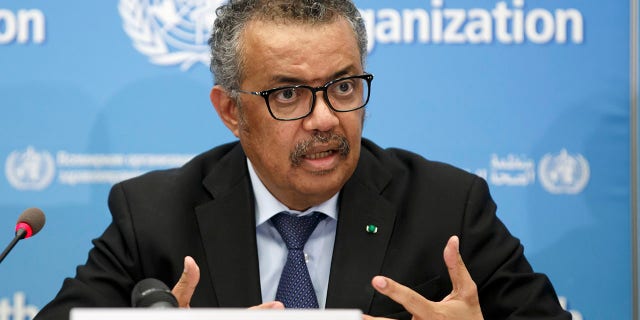
The “temporary pause” will allow the agency’s experts to review all available evidence to date concerning safety of the drugs when treating patients with COVID-19, WHO director-general Tedros Adhanom Ghebreyesus said in remarks on Sunday.
“The Executive Group has implemented a temporary pause of the hydroxychloroquine arm within the Solidarity Trial while the data is reviewed by the Data Safety Monitoring Board,” Tedros said.
Tedros said the decision was made after a paper published Friday in The Lancet found that hydroxychloroquine and chloroquine given to patients hospitalized with the coronavirus had a higher risk of death and heart problems than those who were not given the drugs.
In the study, researchers also concluded that they were unable to “confirm a benefit of hydroxychloroquine or chloroquine when used alone or with a macrolide, on in-hospital outcomes for COVID-19.”
Tedros emphasized that both hydroxychloroquine and chloroquine are accepted as “generally safe” treatments for people with malaria or auto-immune diseases.
Other treatments in the study, including the experimental drug remdesivir and an HIV combination therapy, are still being pursued, Tedros said.
Tedros said that global trials of hydroxychloroquine and chloroquine would be temporarily suspended pending a review of safety data. (Salvatore Di Nolfi/Keystone via AP, File)
Dr. Michael Ryan, WHO’s emergencies chief, said there was no indication of any safety problems with hydroxychloroquine in the WHO trial to date.
“We’re just acting on an abundance of caution based on the recent results of all the studies to ensure that we can continue safely with that arm of the trial,” he said.
The drugs have been touted by Trump, who last week said he requested hydroxychloroquine from his physician, Dr. Sean Conley. He said he had been taking it daily for almost two weeks, along with a zinc supplement, after the pair decided the potential benefits outweighed the risks. He recently announced he has stopped taking the drug.
His comments on the drugs drew controversy among health experts and physicians who urged the public not to take medications unless prescribed by a doctor. The Food and Drug Administration (FDA) has previously warned against the use of the drug outside of hospital settings after receiving reports of “serious heart rhythm problems.”
When Donald Trump launched Operation Warp Speed last week, he borrowed language from Star Trek to describe the drive for a Covid-19 vaccine. “That means big and it means fast,” the US president said, promising an effort “moving on at record, record, record speed”.
His hope that a coronavirus vaccine might be ready “prior to the end of the year” was even quicker than the optimistic — but often repeated — timeline for a vaccine to be ready in 12 to 18 months.
The announcements pleased politicians trying to offer hope to citizens desperate to leave lockdowns and investors eager for economic activity to return.
But many scientists feel a duty to damp the enthusiasm. They say a vaccine could take much longer because little is known about the disease and how bodies will react to attempts at immunisation. In fact, some warn we may never create a vaccine for Covid-19.
Soumya Swaminathan, chief scientist for the World Health Organization, believes an optimistic scenario is a vaccine produced in the “tens of millions” next year, which would be mainly distributed to healthcare workers, and far larger volumes in 2022. To inoculate the world and defeat Covid-19 could take four to five years, she says.
We have no “crystal ball” to tell the future, she told the Financial Times. “It depends how the virus behaves: whether it mutates, whether it becomes more or less virulent, more or less transmittable.”
Peter Hotez, a professor at the Baylor College of Medicine in Houston who is developing a vaccine, says the US president sees vaccines as a “manufacturing problem”, like making enough ventilators or tests.
“Manufacturing is not the hurdle. It’s taking the time to collect enough efficacy and safety data,” he says. “The Operation Warp Speed language coming out of the White House and biotechs and pharma companies [saying] that they will have a vaccine by the fall — or in weeks or days — does so much damage.”
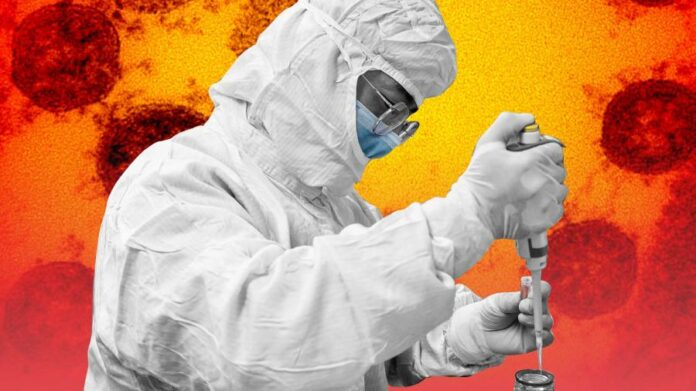
Vaccines are usually developed over many years and even decades. A 2013 paper from Dutch scientists says the average vaccine took 10.71 years and had only a 6 per cent success rate from start to finish. Each stage is an experiment: from the small phase one trials happening now to the large phase three trials needed for regulatory approval.
There are good reasons to believe this time will be quicker. The Covid-19 vaccines benefit from groundwork done for the Sars and Mers coronaviruses even if they were never approved, says Walter Orenstein, a professor at the Emory Vaccine Center in Atlanta.
New technologies are fuelling the hope for a faster process. Analysts from Morgan Stanley estimate that Moderna’s vaccine has a 65 per cent chance of success. They believe that before the end of the year we could see vaccines from Pfizer and their German partner BioNTech, and AstraZeneca and Oxford university.
But advances like the messengerRNA programming used by Moderna, BioNTech and another German company, CureVac, have never been used to create products approved by a regulator. The technique translates a protein from the virus into human cells and shows it to the B cells that secrete antibodies.
The pandemic has pushed governments and companies to pour money into Covid-19 vaccines, even if there has been a lack of global co-operation. Peter Bach, director of the Center for Health Policy and Outcomes at Memorial Sloan Kettering, says it helps that there are so many horses in this race.
Proving that a vaccine is safe and effective takes time. Participants need to be exposed to the virus to prove a vaccine works. That probably means recruiting thousands of people across the world to ensure enough live in an area where there is an outbreak, unless vaccine makers opt for the ethically complicated human challenge trials, where participants are deliberately infected.
“I don’t want to be a Debbie Downer but let’s be clear: to get a vaccine by 2021 would be like drawing multiple inside straights in a row, to use a poker analogy,” Dr Bach says.
To fight a war, it helps to know your enemy. Originally considered solely a respiratory disease, Covid-19 has launched surprise attacks from our eyes to our toes. It appears to use different tactics in children, with reports of some suffering from a serious inflammatory condition.
Moderna announced early results from its phase one trial on Monday, showing its vaccine had elicited immune responses at least as robust as those found in recovered patients.
But some scientists questioned how the trial defined an average patient response. Dr Hotez says the release came days after a study showing that recovered patients only had a low level of antibodies. Umer Raffat, a biotech analyst at Evercore, says it will be important to know when the convalescent antibody level was tested — because it tends to fade over time. If it is tested later, it might not be such a promising comparison.
There are big questions about how long an immune response protects patients for. Most scientists think having had the disease confers some immunity — but we don’t know how long it lasts. Immunity to Sars only lasted a couple of years.
So far, the virus behind Covid-19 has not mutated significantly, so it shifts shape less rapidly than the flu. But we have only been following the virus for months, so there is a risk that it will still mutate. Most vaccine makers are focusing on the ‘spike’ protein, which it uses to invade cells. They try to teach the body to recognise this protein and produce antibodies. If the spike changes, many of the potential immunisations would miss their target.
Early trials are done in healthy, younger populations: Moderna’s first results were from people aged 18 to 55. But it is people over 65 who have suffered the most from Covid-19 and whose immune systems tend to be less responsive. The US National Institute of Allergy and Infectious Diseases is adding an older age group to the trial.
Howard Koh, a former US assistant secretary at the health department, says: “One issue that often comes up is whether older people are able to generate a response that makes it an effective vaccine.”
Mr Trump is not the first president to see a vaccine as a way of neutralising the political risk carried by a virus. In 1976, Gerald Ford rushed out a vaccine for what he feared would be a massive outbreak of swine flu, having his photo taken getting the shot at the White House. But the vaccine had a serious side-effect: hundreds of people developed Guillain-Barré syndrome, where the body is paralysed by the immune system attacking the nerves.
Covid-19 has proven to be the pandemic that the 1976 swine flu never became. But easing requirements for approval could put vaccines on the market before we discover all the side-effects. In the US, the loosening of regulations during the pandemic has already led to battles over safety and accuracy. Government agencies and doctors have disputed whether it is safe to treat patients with hydroxychloroquine, an antimalarial drug being used by Mr Trump that has cardiac and psychiatric side-effects, and the Food and Drug Administration has warned about the inaccuracy of many antibody tests.
Scientists have still not ruled out the grim prospect that a vaccine could make the disease worse. In some conditions including dengue fever, and the common childhood respiratory infection RSV, vaccines have actually enhanced the disease. In the first attempts at making a Sars vaccine, there was some immune enhancement in animal testing. So far, there is no evidence that this is a problem for Covid-19 — but the early trials are on tens, rather than hundreds or thousands of people.
Dr Swaminathan says this “antibody dependent enhancement” is why the vaccines need to be tested very carefully. “Sometimes antibodies can actually make things worse.”
If a vaccine proves safe, there will still be questions about its effectiveness. Paul Stoffels, chief scientific officer at Johnson & Johnson, says one of the biggest questions is whether it will stop infection or just the disease — or even, like the flu shot, only prevent the most severe symptoms of the disease.
“It would be good if it protects against both,” he says. “If you can prevent infection, it prevents spread going forward in the community.”
Before a vaccine is produced, developments in treatments — such as antivirals and antibodies — may help improve outcomes for Covid-19 patients. A vaccine that is only 60 or 70 per cent effective could still be approved by the regulator and have a significant impact on the spread of the disease, says Stéphane Bancel, Moderna chief executive.
He is “cautiously optimistic” he will see efficacy in the large and final phase three trial — but does not know if it will be 70 or 95 per cent. “Even if it was 70 per cent effective it would reduce tremendously the problem, which is that the virus is so contagious,” he says.
Political leaders will declare victory if a vaccine maker manages to move safely at speeds more suited to science fiction. However, the mass inoculation that could speed up the return to normal life is further away. The first vaccines will probably be given to healthcare workers who will be studied closely, as if they were still part of a trial.
Michael Osterholm, director of the Center for Infectious Disease Research and Policy at the University of Minnesota, says we must remember there is still a chance we do not get a vaccine at all. It is not a “slam dunk”, he says.
He is concerned that people are not taking other public health measures to stop the spread because of the “optimism and enthusiasm” about a vaccine.
“People will just assume it’s like a Hollywood movie and at the very last minute, someone will swoop in their helicopter with a new vaccine that was only made a day ago. And the whole world is saved,” Mr Osterholm says. “It’s human behaviour. When you’re faced with such a serious challenge, you want any good news you can get.”
These are all movies everyone should watch at least once in their lives.
In honor of Mental Health Awareness Month, we recently asked the BuzzFeed Community to tell us what movies got mental health right. Here are some of the best!
WARNING: Some of these submissions contain mentions of sexual assault.
1.
Mystic River (2003)
Warner Bros.
“Dave’s childhood sexual abuse plays an essential role in how he behaves and handles grief, ‘evil,’ and death. This is a spoiler, but when the audience learns that Dave really *did* beat the pedophile in the parking lot, he screams, ‘Get out of here, Dave!’ to the other boy in the scene — showing he never really processed what happened to him. Tim Robbins portrays PTSD, trauma, memory issues, a highly suggestible mind, and anxiety really well.”
“Both the book and the movie do such a great job of portraying the mind of a clinically depressed woman during her first year at Harvard. It’s definitely a movie that will pull at your heart strings and hit home if you’ve had depression.”
“Charlie perfectly encompasses what it’s like to have a never-ending sense of anxiety that always seems to find its way back to him, no matter how hard he tries to forget it. He also deals with suppressing emotions from the abuse he suffered as a young child, which encompasses untreated PTSD. I prefer the book over the movie, but both were done so well.”
“I know it’s a horror movie, but the way Dani struggled with panic and anxiety was so real and raw. Seeing her have a panic attack and only be able to cry and say ‘no’ over and over again was extremely relatable. The panic attack after taking mushrooms was also accurate, because she was trying so hard not to panic and was almost angry with herself for panicking.”
“It’s a touching, relatable, and accurate picture of what mental rehabilitation can look like. There are no cheesy, perfect people, just real humans longing for real connections in this messed-up world.”
“It showed depression and the grieving process as an actual illness that is needing care, just like a physical one. No one told Hiro to move on or made him feel wrong for being sad. His friends and family just supported and loved him the best they could. It was the first movie I have ever seen that showed depression and grief in a realistic way.”
“For some, it’s just another coming-of-age movie. But to me, it shows what social anxiety looks like. It’s portrayed so well in some scenes that it made me feel like they’d read my mind.”
“It really shows you how trauma can surge back up and how powerless you feel. And I think it was helpful to see a family come together to understand mental illness.”
“It got a few things notably wrong, but I still refer people to the scene when Bradley Cooper is losing it over his missing wedding video when I’m trying to explain what a manic episode is like for me.”
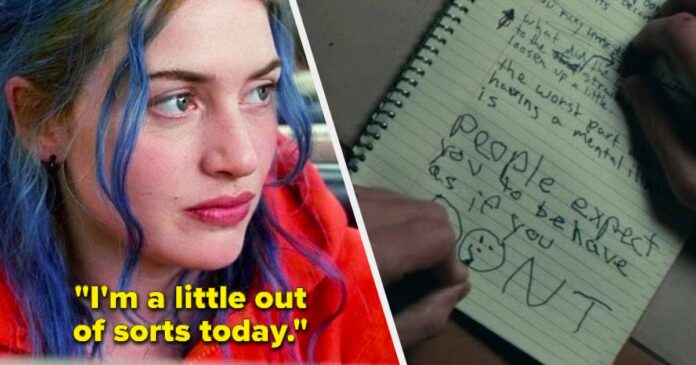
“The scene where we see Arthur’s journal/joke notebook and that he had written ‘The worst part of having a mental illness is everyone expects you to act like you don’t’ hit me HARD. I had to pause the movie and breathe for a minute because it captured such a raw and specific feeling of pressure and failure.”
“There’s no sugarcoating, no melodrama, and no happy ending (but no tragic ending either). It’s a real portrait of very young women in a psychiatric hospital: Susanna, who has borderline personality disorder; Lisa, who has antisocial personality disorder; Georgina, who is a pathological liar; Daisy, who has bulimia and OCD; Janet, who has anorexia; and Polly, who has schizophrenia. There are so many great scenes from this movie.”
“Finally a movie about postpartum depression/psychosis! Charlize Theron was AMAZING in this movie! I watched this movie a month after having my daughter and the twist ending just was perfect. It was a great movie that described motherhood and mental health issues that happen to a lot of struggling moms.”
“It really made me feel seen regarding my trust issues and fear regarding friends and trust. Elsa claims she’s better off alone and pushes people away when they just want to help. I have PMDD (premenstrual dysphoric disorder) which means when I ovulate, I get extremely depressed, anxious, and irritable. I have pushed people away because not only does my trauma make it hard to trust people, but I also want to protect them from this alternate version of myself that comes out every month. When I watch Frozen and see Anna continuously try to reach out to and connect with Elsa, it makes me cry because I know exactly how my boyfriend felt when we started dating.”
“The parts where Brittany struggled with her body and confidence were so relatable. I teared up a little bit at the end when I saw how happy she was to reach her goal.”
“The Swedish film Ted about the singer Ted Gardestad, who had schizophrenia. It did a very good job of showing the man behind the condition, but also how poorly understood mental health was in the ’70s and ’80s. Ted’s illness was largely dismissed as stage fright and an inability to cope with fame. I think there’s still a perception that musicians produce their best work when they’re not well.”
“Seeing Tony Stark (a literal superhero) struggle with anxiety attacks really made me realize that my anxiety doesn’t make me weak or vulnerable — it makes me human, and it can happen to anyone.”
“Even though it’s a kids movie, Inside Out is one of my favorite movies about mental health. The way they expressed the complexities of thought, emotion, memory, and growing up was pure genius.”
“My therapist and I would talk about Inside Out when discussing parts therapy. All parts of you are essential, even if you don’t like all of them — they’re all vital in making you who you are.”
“I watched it alone in the dark and cried the whole time. I was amidst a relapse in my eating disorder recovery and it showed me how grueling the process can be, yet still completely worth it.”
“It was the first time I saw a movie where the main character had Borderline Personality Disorder. They didn’t shy away from the ups and downs of life with BPD and Kristen Wiig’s performance in it was incredible.”
“It covered the topic of sexual assault and its effects, and it really made me feel understood in terms of my own sexual trauma and coming to terms with my PTSD.”
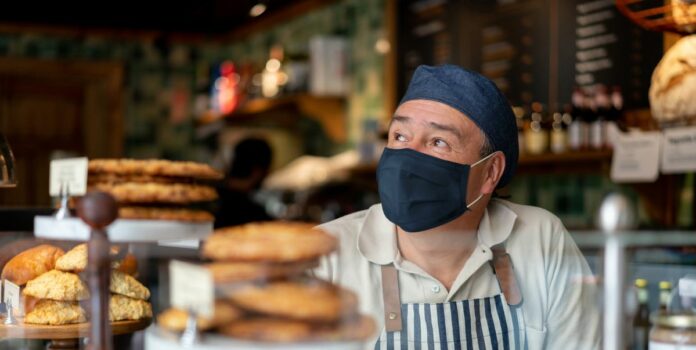
New CDC rules have been established for restaurants and bars reopening during the COVID-19 pandemic.
Despite these rules, one infectious disease researcher has five major concerns about eating meals inside restaurants.
She explains how you can work to lower your risk should you decide to go to a restaurant.
While much of the United States still remains under stay-at-home orders, many states are actively working on new ways for businesses to operate during the novel coronavirus pandemic. Some of the most significant changes might come to places we spend most of our time in — restaurants being at the top of that list. According to Eater, more than 30 states have already reopened their dining rooms with new guidance from state leaders and federal experts, including the Centers for Disease Control. Places like California and New York (the epicenter of the COVID-19 outbreak in the U.S.), have yet to announce plans to reopen as they’re also working on additional ways to keep customers safe while eating in restaurants during the pandemic.
New CDC guidelines released this month encompass many different businesses, including schools and transit options, but restaurants have a special section in the six-page guidelines from federal safety officials. Officials released a new “decision” tool designed to help restaurants and bars guide their reopening phases. First, it’ll seem that states have final say over how and when restaurants can reopen — the guidance also suggests that frequent hand-washing and mandatory face masks will be required for all employees. Restaurants will most likely space “tables and stools, limiting party sizes and occupancy, avoiding self-serve stations, restricting employee shared paces, [and] rotating or staggering shifts, if feasible.” Cleaning will be more frequent, and new ventilation strategies (think: al fresco dining or outdoor seating exclusively) will be implemented.
This content is imported from {embed-name}. You may be able to find the same content in another format, or you may be able to find more information, at their web site.
Is that enough to keep the spread of COVID-19 at bay? Robyn Gershon, MHS, DrPH, a clinical professor of epidemiology at New York University’s School of Global Public Health, says that many cities may choose to open restaurants on a case by case basis in each neighborhood. She points out that most states have chosen to keep bars entirely closed, and that restaurateurs may be instructed to spread diners as far apart as possible. But she also stresses the majority of risks for SARS-CoV-2 transmission in a restaurant can occur even if you remain six-feet away from strangers, amongotherprecautions.
Ultimately, the decision to eat inside re-opened restaurants should be weighed against your own risk. “As a public health disaster researcher and educator, I think about the risk to myself, and so every person has to really take stock,” Gershon explains, adding that contact tracing is still in early stages across different states. “What if you live with an elderly person or somebody with chronic illness? We’ve already heard that [if you have] cancer, cardiac disease, diabetes, most any kind of chronic condition, you’re at a higher risk for severe complications.”
What are the risks of eating at restaurants during the COVID-19 pandemic?
For Gershon, there are five different ways that restaurants pose an increased risk to diners, even with adapted guidelines set forth by state departments and federal guidelines. Below, she recounts how these factors might put you at a higher risk for coming into contact with SARS-CoV-2 while dining inside restaurants.
Highly-trafficked surfaces. There are many touch points in a restaurant that you may not even think of, and while staff may try their best to sanitize these areas frequently, there could be elevated risks with these shared surfaces. “What if you want to use the bathroom? The toilet itself, the doorknobs, the sink faucet, these are all things that could present some potential risks of transmission if you aren’t careful,” Gershon says. This also includes any furniture in the restaurant you may sit on or use to eat your meal, as infectious droplets can also transfer onto other surfaces, including floors and non-porous surfaces like your clothes.
Shared condiments and utensils. At your table, there’s risk handling things like salt and pepper shakers or ketchup bottles while also using your hands to eat food. Gershon says many restaurants are already pivoting to single-use plastic utensils and dishware during the pandemic to prevent cross-contamination, as any reusable utensils could potentially pose an increased risk of transmission compared to the items you use alone at home.
Insufficient sanitation. The task of keeping every single surface as sanitized as possible in between diners is insurmountable for most, Gershon says, even with restaurants doubling their cleaning efforts. There’s simply no way to guarantee that every surface is perfectly clean (let alone disinfected) for you throughout a business day.
Shared air supply. Many states will require employees to wear face masks while serving diners, but obviously, diners will have to remove their coverings when eating, which may present a risk in confined spaces. “I would avoid large gatherings in a confined space for an extended period of time, anything over 30 minutes,” Gershon says, adding that infectious air-borne virus particles can potentially move throughout a space if emitted through a diner’s mouth or nose. Furthermore, there may be a risk associated with air conditioning and spreading viral particles through HVAC units, which scientists are studying now after an early CDC-sponsored study was released in April.
Interactions with the staff and proximity to other diners. Hopefully, the personnel inside the restaurant will be taking all precautions to prevent the spread of COVID-19, and diners will be separated by at least six feet. That distance can’t be kept while you’re being served, though, and all the interactions between yourself and your server — taking orders, getting drinks, serving meals, paying a bill — provide more opportunities to be in close proximity to you. Furthermore, Gershon explains that there’s preliminary evidence that suggests that open restaurants may draw in visitors from far away places; according to research conducted by the University of Maryland, more than 60,000 out-of-state visitors flocked to Georgia as the state reopened non-essential businesses. Could diners in your vicinity carry germs from other states? It’s possible, Gershon says.
Minimizing exposure risks while eating at restaurants:
If you decide to head out for a meal at a restaurant, Gershon says there are a few ways you can work to lower your risk while dining out.
Frequently wash your hands, and bring hand sanitizer and alcohol wipes with you to the restaurant. Keeping your hands clean while you move throughout the restaurant and before touching your food is important, Gershon says. Be sure to wash your hands if you use the restroom (use paper towels or your elbow to open the door afterwards) and try to sanitize your hands as frequently as possible. “I might touch things like my credit card when paying the bill that is now contaminated, so to speak, and then reach for my phone, which could be a vector on its own,” Gershon explains. “Try to wipe down anything you’re touching or use hand sanitizer before touching those items. You want to minimize any chance of spreading germs from the restaurant onto your belongings or back into your home.”
Choose to sit outside. If you have the opportunity to sit outside, do so! Gershon says that open air spaces offer diluted air and reduces much of the risk you’d run inside a dining room.
Wear a mask and maintain distance. Whenever you’re not eating, this is a courteous thing to do for your fellow diners and the employees serving you, even if it’s not required by law. Masks work to prevent you from spewing infectious particles into the air around you. And taking the time to allow people to pass in front of you, or maintaining ample distance while waiting to access your table, can further reduce transmission risk inside a restaurant.
Ask for disposables. Even though it may be wasteful in the long run, asking for single-use condiments and utensils can help reduce risk from cross-contamination between diners. “You can ask for those takeaway packages of ketchup and mustard, or tiny packets of salt and pepper,” Gershon says. Some restaurants may honor a polite request to eat a takeout-style meal at a table — i.e. a meal served in cardboard or plastic containers, which are less exposed than traditional cutlery and dinnerware.
As the coronavirus pandemic develops, some of the information in this story may have changed since it was last updated. For the most up-to-date information on COVID-19, please visit the online resources provided by the CDC, WHO, and your local public health department. You can work to better protect yourself from COVID-19 by washing your hands, avoiding contact with sick individuals, and sanitizing your home, among other actions.
Zee Krstic Associate Health Editor Zee Krstic is a health editor for GoodHousekeeping.com, where he covers the latest in health and nutrition news, decodes diet and fitness trends, and reviews the best products in the wellness aisle.
This content is created and maintained by a third party, and imported onto this page to help users provide their email addresses. You may be able to find more information about this and similar content at piano.io
After calling on churches to reopen this weekend, President Trump hit the golf course for a second straight day. This comes as some within his administration warn the coronavirus is not contained. Nikole Killion has the latest.
Washington (CNN)As the US death toll from coronavirus topped 97,000, President Donald Trump was spending his Memorial Day weekend doing what he’d typically do during any other time off during his pre… Read More
“He is planting the seeds for delegitimizing the election if he loses,” Vanita Gupta, a former head of DOJ’s civil rights division under President Barack Obama and now president of The Leadership Conference on Civil and Human Rights, said on Twitter on Sunday in reaction to Trump’s “rigged election” claim. “It’s from the playbook. It’ll get more intense as he gets more freaked out.”
Trump’s rhetoric isn’t exactly new for him. Dating back even before his entry into electoral politics, the president has had a long preoccupation with voter fraud and “rigged” elections. As a primary candidate, he attributed his Iowa defeat to fraud committed by Sen. Ted Cruz. Even after his general election victory, Trump made unsubstantiated claims of “serious voter fraud in Virginia, New Hampshire and California” — three states that he failed to carry — and told congressional leaders that millions of illegal votes were the reason he lost the popular vote.
In one of his first acts as president, Trump created an 11-member commission to study alleged voter fraud. Two years later, amid the GOP’s 2018 wipe-out, he was lodging complaints about “electoral corruption” in Arizona and “missing or forged” ballots in Florida.
The concern that Trump might attempt to ignore the outcome of the election has persisted as an undercurrent in the Democratic Party since 2016, when Trump, during the year’s last presidential debate, refused to say if he would accept the election’s outcome that year if he lost. In the years since, Democrats saw innuendo in Trump’s jokes about extending his presidency beyond the constitutional limit of eight years and expressed admiration for Chinese President Xi Jinping’s limitless terms.
“It’s one of those things that I think has a very low probability, but a very high risk,” said David Skaggs, a former Democratic congressman who has discussed the potential for disruption in the November election with other lawmakers and former lawmakers in recent days. “So even though I don’t think it’s likely to eventuate into some kind of intervention at the state level by the president … there’s still some chance of that, and therefore it’s wise to take it seriously.”
Skaggs said there are people remaining in government who take their oaths of office seriously and “who are not going to be bowled over by a power grab.” However, he noted the presence of a “militia movement out there in the country that would probably rise to arms if the president said they should, and that would be awful.”
“I think the more there is reporting that takes the president’s innuendo seriously about this — the integrity, or the dis-integrity of the election — the more people will be on alert,” he said. “And that is some prophylactic, better than hydroxychloroquine.”
While the unique and uncertain atmospheric conditions this year — an election season rattled by the coronavirus crisis, which has postponed primaries and raised questions about voting procedures on Election Day in November — have served to put critics of the president on edge, it’s his recent threats to withhold funding from Michigan and Nevada that have raised alarms.
Especially significant is Michigan, which Trump won in 2016 but where he is polling behind Biden.
“He’s already set the stage to say it’s rigged,” said Pete Giangreco, a Democratic strategist who has worked on nine presidential campaigns. “This is part of the Trump autocrat playbook … There’s no way this guy’s going to win the popular vote, and it’s at least 50-50 he’s going to lose the electoral college. So, he’s got to come up with something else.”
The Biden campaign is signaling an awareness of the questions it raises. The former vice president told donors at a virtual fundraiser late last month that he is beginning a transition process, saying “the Bush administration worked very closely with Barack [Obama] and me, with our administration, in terms of handing over power in the transition,” according to a pool report.
“I hope it’s as smooth as it was then,” he said, adding, “I doubt it, but I hope so.”
Bob Bauer, Joe Biden’s personal lawyer, said in a prepared statement that Trump “may well resort to any kind of trick, ploy or scheme he can in order to hold onto his presidency.”
Tim Murtaugh, a spokesman for Trump’s reelection effort, called any discussion about the president’s unwillingness to leave office if defeated “baseless, ridiculous conspiracy talk and they should go see [Democrats] Hillary Clinton or Stacey Abrams because they actually have openly questioned their own election results.”
The Trump administration recently started the process of planning for a transition of power if Biden wins, creating a transition planning group to prepare for the possibility.
But Trump has rarely been encumbered by fidelity to tradition. And Trump’s former lawyer, Michael Cohen, once predicted in congressional testimony that there “will never be a peaceful transition of power” if Trump loses.
“Would I be surprised if he gets beat in November and makes noises about not going out the door? No, and then what kind of constitutional crisis would that create, and then what would you do?” said Mark Longabaugh, a senior adviser to Bernie Sanders during his 2016 campaign.
He likened the prospect facing Democrats to that of the 2000 presidential election, in which the Supreme Court prohibited further recounts of the Florida vote, awarding the presidency to George W. Bush over Democrat Al Gore.
“If it’s narrow, that’s when Trump can really create a constitutional crisis,” Longabaugh said. “Think about the 2000 election, and if that was the election, what would Trump do? And you know, what would Trump do if the Supreme Court went against him? Would he do what Al Gore did and put the interests of the country above his own interests whether or not the Supreme Court was correct in its behavior or not? That’s where you get into, I think, scary territory.”
At a minimum, Democratic doubts about Trump’s willingness to accept the November results have increased the imperative to win by indisputable margins — a heavy lift in an election that is widely expected to be close.
“My job is to make sure he loses Wisconsin so badly that he doesn’t have an argument for sticking around that passes the smell test,” said Ben Wikler, chairman of the state Democratic Party in Wisconsin,a state that is critical to Trump’s path to reelection.
Noting that Trump has “filed a lot of lawsuits” in the past, he said, “The bigger the margin, the safer democracy becomes.”
But outside of a court challenge, Trump’s options to disregard the election’s outcome are extremely limited.
“There’s a lot of people that need to do something to hold and implement the results of an election,” said David A. Super, a professor of law at Georgetown University Law Center who has analyzed scenarios in which Trump could attempt to hold onto power. “None of them is named Donald J. Trump … There’s absolutely no authority for cancelling or overriding an election in the Constitution or in the statutes. And it would require the president to get multiple people to fairly blatantly disregard their oaths to uphold the Constitution.”
The concerns about Trump’s intentions are reminiscent to some Democrats of the anxiety they felt in the 1970s, when the net was closing around Richard Nixon and some feared he may not go easily.
The difference, said Les Francis, a former deputy White House chief of staff in the Carter administration, is that Nixon made an “institutional decision” to resign, while “one thing we know about Trump, for sure, is he’s not an institutionalist by any stretch of the imagination.”
“I don’t think there’s any depth to which he will not go,” Francis said. “I don’t think there are any rules that he thinks apply to him. As his behavior grows worse, I think people become more alarmed at the possibilities.”