

Although the novel coronavirus is known for causing respiratory symptoms, there are new questions about its impact on other parts of the body. COVID-19 may be linked in some patients with increases in inflammation of the heart as well as injury to other organs and tissues. William Brangham talks to Yale University's Dr. Alan Kliger…
Coronavirus is like a big stinky onion with yet another layer just revealed: COVID toes. A symptom doctors are finding mostly in young people that causes their toes to swell, turn blue and purple, itch, burn, and become "painful to touch." According to Dr. Ebbing Lautenbach, chief of infectious disease at the University of Pennsylvania's…
Doyle Rice and Jessica Flores, USA TODAY Published 3:32 p.m. ET April 22, 2020 | Updated 12:01 a.m. ET April 23, 2020CLOSE From Maine to Texas, different parts of the United States were hit with a variety of storms this week with more to come. WochitSevere storms ripped through southern states Wednesday night, after weeks…
After criticism from President Trump and others, Harvard University announced it will not accept $8.6 million in stimulus aid.Harvard, which has a $40.9 billion endowment, originally said that "100% of the funds" would go toward student financial aid.Payouts to colleges factor in enrollment size and the number of Pell Grants, but not the size of…
CLICK HERE if you can’t view the gallery in am obile device. It began with Sonoma County. Then the city of Hayward instituted one. By the end of last week, six Bay Area counties comprising more than 5 million people had announced orders requiring their residents to cover their faces in most public spaces. Those…
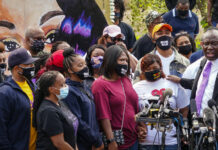
U.S.|Grand Juror in Breonna Taylor Case Says Deliberations Were MisrepresentedThe Kentucky attorney general’s office said it would release the panel’s recordings after a grand juror contended in a court filing that its discussions were inaccurately characterized.Breonna Taylor's family and the lawyer Ben Crump, right, said the charges a Kentucky grand jury agreed upon in the…
(John Finney Photography/Moment/Getty Images) An abnormally bad season of weather may have had a significant impact on the death toll from both World War I and the 1918 Spanish flu pandemic, according to new research, with many more lives being lost due to torrential rain and plummeting temperatures. Through a detailed analysis of an ice…